
Inpatient psychiatric care

For individuals requiring continuous medical attention or mental health treatment, our inpatient services in Berkeley, CA provide a safe, structured, and supportive environment. Inpatient care provides round-the-clock treatment for when staying safe at home is not possible right now. Our dedicated team of physicians, nurses, and therapists offers evidence-based care tailored to each patient’s unique needs, ensuring a path to stabilization, recovery, and long-term wellness.
Expert Inpatient Care in Berkeley, CA
Comprehensive 24/7 Medical and Mental Health Care
Located in Berkeley, we offer acute psychiatric inpatient services in a collaborative and compassionate setting. With specialty units for adolescents (age 12-18), geropsychiatry, eating disorders, and severe mood and psychotic disorders, our highly trained intensivist psychiatrists will work with you and your loved ones to rapidly assess your symptoms and develop a safe and effective treatment plan.
What Are Inpatient Services?
Inpatient services provide round-the-clock medical supervision and treatment for individuals facing serious health conditions. Unlike outpatient care, inpatient treatment requires a stay at our facility, where patients receive constant monitoring, intensive therapy, and medical support to address both physical and psychological health concerns. The goal is to get you stable and back to your life with a clear plan, not to keep you in the hospital. A hospital stay is typically about 3 to 7 days, based on individual needs.
Inpatient care is a bridge, not a destination. It is not meant to be long-term. It is also not the place where all the work gets finished; it is where you get stable enough to keep healing safely at a lower level of care.
When is inpatient care the right level of care?
Inpatient care makes sense when symptoms are dangerous enough that the safety and structure of a hospital are needed for a short time. That can look like:
- Thoughts of suicide or self-harm that are becoming increasingly frequent and intense .
- A severe episode of depression, mania, or psychosis that makes everyday functioning unsafe.
- Not being able to eat, sleep, or care for yourself.
- A medication or treatment change that needs close, around-the-clock monitoring to start safely.
If your symptoms are serious but you can still stay safe at home, a less intensive option such as day treatment or more frequent outpatient visits is often the better fit. An evaluation in the emergency room will determine which level of care you may need.
What is a hospital stay actually like?
An inpatient unit is calmer and more ordinary than most people expect. The point is safety, rest, and providing treatment, not punishment. A typical stay includes:
A daily rhythm. Days have a predictable structure: meals, rest, check-ins with the team, and group sessions focused on coping skills and planning next steps.
Who you see. You meet with a psychiatrist daily, a social worker who will help coordinate care after your hospital stay, and you will interact with nurses and other staff who are present around the clock. Your care team will adjust treatment, watch how you respond, and plan for what will happen when you leave the hospital.
Medication. Because you are monitored closely, this can be a safe time to start or change a medication and see how it is working.
Visitors and your phone. Visitors are welcome during set hours. To protect other patients' privacy and keep people engaged in the day's groups, there are limits on smartphone use, but a phone is available on the unit for phone calls.
Planning your discharge. Discharge planning starts early, you will meet with a social worker within the first day or two of arriving at the hospital. Our doctors and social workers work closely together to determine how you will receive care going forward to ensure a smooth transition out of the hospital.
Our inpatient programs are designed for those experiencing:
- Mental health disorders such as depression, anxiety, bipolar disorder, PTSD, and schizophrenia
- Eating disorders requiring support on the path to recovery
- Cognitive and mobility concerns in elderly patients needing specialized geriatric care
Why Choose Our Inpatient Facility in Berkeley, CA?
Our patient-centered approach ensures that every individual receives customized care designed for long-term success. We offer:
- 24/7 Medical Supervision – Continuous care from board-certified physicians and registered nurses
- Personalized Treatment Plans – Tailored programs to meet each patient’s specific medical and mental health needs
- Comprehensive Mental Health Support – Access to psychiatrists, licensed therapists, social workers, and wellness counselors
How to Access Inpatient Services in Berkeley, CA
If you or someone you love is in immediate danger right now, call or text 988 (the Suicide and Crisis Lifeline), call 911, or go to the nearest emergency room. The path into inpatient care starts there, not with an intake form or a scheduled appointment.
Begin Your Path to Recovery
Our inpatient services in Berkeley, CA, provide expert medical care and mental health support in a compassionate and structured environment.
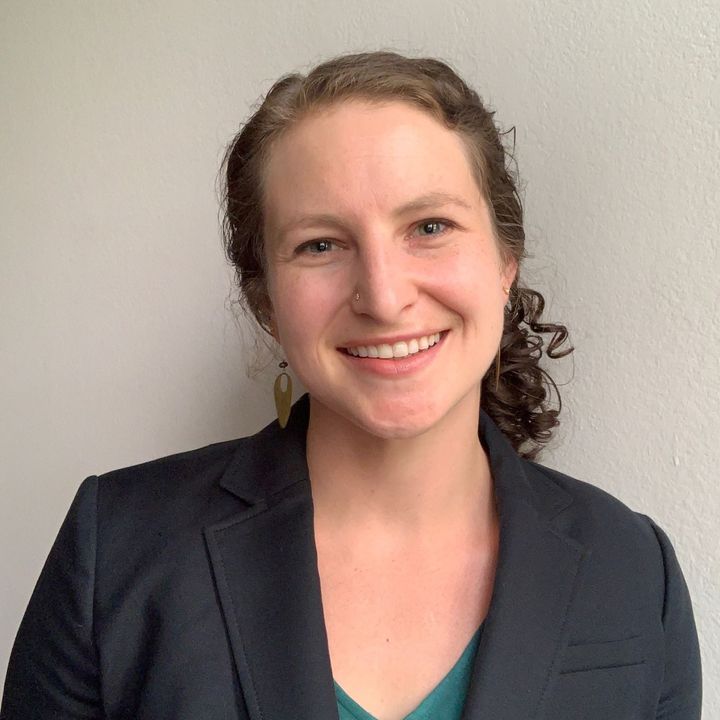
Physicians who provide inpatient care





Common questions
How do I get someone admitted?
Almost always through a hospital emergency room, where the situation is evaluated and an admission is arranged if it is needed. If you are already in our care, your psychiatrist can help you decide when the ER is the right step. In an immediate emergency, call or text 988, call 911, or go to the nearest emergency room.
How long will the stay last?
Most inpatient stays are short, often about three to seven days. The goal is to get stable quickly and move back to outpatient care, not to stay in the hospital any longer than safety requires.
Will my own psychiatrist see me in the hospital?
If your psychiatrist also works at the hospital, which some of our doctors do, yes. If not, your inpatient psychiatrist will coordinate closely with your outpatient psychiatrist, whether they are part of our practice or not.
Can I have visitors and keep my phone?
Yes. Visitors are welcome during set hours. There are limits on smartphone use to protect other patients' privacy and keep people engaged in group sessions, but a phone is available on the unit for calls whenever you need one.
Is inpatient care covered by insurance?
Most plans cover medically necessary inpatient psychiatric care. Coverage and any prior-authorization steps depend on your specific plan, and the hospital and our team help work through those during admission.
What happens after I leave?
Discharge planning starts early in the stay. You leave with an outpatient plan, and for many people the next step is a step-down such as day treatment before returning to regular outpatient visits.
How to get started with inpatient psychiatric care
Inpatient admission starts in an emergency department. For questions, call Herrick Campus. In immediate danger, call or text 988, call 911, or go to the nearest emergency room.